








Pine Knot Roofing, serving Hendersonville, TN, and a wide surrounding area
When people think of roofs, they often picture the one on their home. But not all roofs are created equal. If you’re a property owner or manager weighing whether you need a roofing contractor for a house or a business, knowing the unique differences between residential roofing and commercial roofing is essential. Pine Knot Roofing specializes in both, but primarily focuses on residential roofing across a broad service area in and around Hendersonville, TN.
In this article, we’ll break down exactly how these roofing systems differ in terms of design, materials, installation, cost, and maintenance, helping you make the most informed decision for your next roofing project.
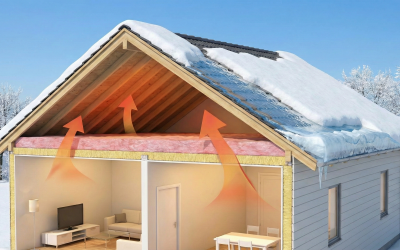
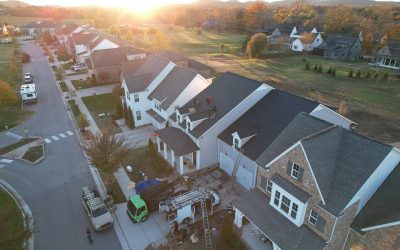
The design of residential roofs is driven by curb appeal and effective water runoff. Most homes in places like Hendersonville feature sloped roofs, think gable, hip, and mansard styles. These angles (up to 45 degrees) are aesthetically pleasing and prevent water from pooling on your roof, critical for long-term durability (Roofers Blog Spot, 2025). Residential roofs often integrate dormers, chimneys, or skylights for visual character.
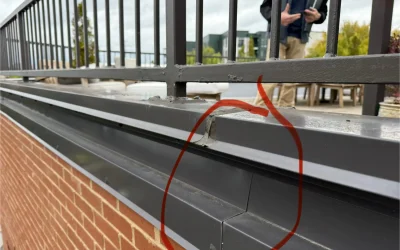
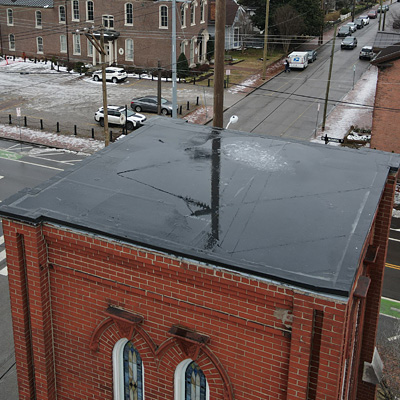
Commercial roofs, on the other hand, are predominantly flat or low-sloped. This flat design isn’t just for looks, it’s practical for mounting HVAC systems, solar arrays, or other bulky equipment that a business might need. These roofs cover much larger surface areas, think office parks, shopping centers, or industrial warehouses (Roof-Crafters, 2024).
Summary Table:
| Feature | Residential Roofing | Commercial Roofing |
|---|---|---|
| Slope | Steep or pitched | Flat or low-sloped |
| Surface Area | Smaller | Large |
| Design Focus | Curb appeal, water runoff | Equipment support, utility access |
Homeowners are spoilt for choice when it comes to materials. The vast majority of residential roofs in the US use asphalt shingles for affordability, easy installation, and a variety of styles (Mint Roofing, 2025). Pine Knot Roofing, for example, offers everything from asphalt and metal to clay tiles and cedar shakes to achieve just the right look (Pine Knot Residential Roofing Services).
Large, flat commercial roofs demand industrial-grade materials:
- TPO (Thermoplastic Olefin)
- EPDM (Ethylene Propylene Diene Monomer)
- Modified bitumen
- Built-up roofing (BUR) These materials are designed to support heavy weight (like HVAC units) and withstand heavy foot traffic (First Star Exteriors, 2023). Energy efficiency and resistance to UV exposure are bonus advantages.
The smaller size and simpler structure of residential roofs means less labor, less material, and less time. Many home roofing jobs can be completed in a day or two, often without the need for large equipment. Installers mainly work around minor features like chimneys or skylights (Roofr, 2025).
Installing a commercial roof is an entirely different challenge. The larger area, specialized materials, and need to accommodate rooftop utilities mean more planning, more workers, and more time. Installations may take several weeks with the requirement of heavier equipment and strict safety measures (Tech Roofing, 2025). Only highly experienced contractors, like Pine Knot Roofing’s commercial roofing team—are equipped to manage these jobs.
Residential roof maintenance is generally straightforward, occasional inspections, cleaning gutters, and replacing damaged shingles are common tasks that homeowners or a professional can handle. Residential roofs often last 20–50 years depending on material (Central Bay Roofing, 2025).
Commercial roofs require more frequent and intensive maintenance. Larger surface area, flat design (prone to pooling), and rooftop equipment mean that routine inspections are essential to catch leaks or membrane damage before they become big problems (First Star Exteriors, 2023). Life expectancy is typically 15–40 years, again depending on materials (Mint Roofing, 2025).
Due to smaller sizes and readily available materials, replacement and repairs for residential roofing are relatively affordable, usually between $5,000 and $15,000(Mint Roofing, 2025). Factors such as style, material type, and home location affect the final bill.
By contrast, commercial roofing costs can be 10–20 times higher, often starting around $50,000 300,000 for large facilities (Alan’s Roofing, 2025). These projects require specialized teams and materials and may have a tighter timeline for businesses needing minimal disruption.
Pine Knot Roofing provides both residential and commercial roofing throughout Hendersonville and surrounding communities. Explore their broad service area to see if your property is eligible for a free inspection or estimate.
In summary, residential roofing and commercial roofing differ in nearly every respect: design, materials, installation methods, maintenance requirements, and cost. For homeowners, a beautiful, well-maintained residential roof enhances both value and curb appeal. For business owners, a durable commercial roof safeguards assets and keeps operations running smoothly.
If you’re in the Hendersonville region and need expert consultation on either roofing style, reach out to Pine Knot Roofing. Their focus on residential roofing combined with their ability to handle commercial projects means you get tailored solutions for your unique needs.
- Roofers Blog Spot. (2025). Residential Roofing vs Commercial: Key Differences
- Mint Roofing. (2025). Commercial vs. Residential Roofing
- First Star Exteriors. (2023). Difference Between Commercial Roofing vs Residential Roofing
- Central Bay Roofing. (2025). Commercial Roofing vs Residential Roofing
- Alan’s Roofing. (2025). Commercial vs. Residential Roof Replacement
- Roofr. (2025). Residential vs Commercial Roofing: A Guide
- Roof-Crafters. (2024). The Key Differences Between Residential and Commercial Roofing Systems
- Tech Roofing. (2025). Commercial Roofing vs Residential Roofing: How do They Differ?