








With a major winter storm on the horizon here in Nashville, concerns about snow, ice, and drastic freeze-thaw cycles are front and center for homeowners. While ice dams are typically more prevalent in colder northern states, sudden storms like this can create prime conditions for ice damming even in Middle Tennessee.
If you’re seeing snow on your roof and worrying about possible water damage, this guide will share what ice dams are, why they’re a problem, and most importantly, what you can do to prevent and manage them safely.
What Are Ice Dams and How Do They Form?
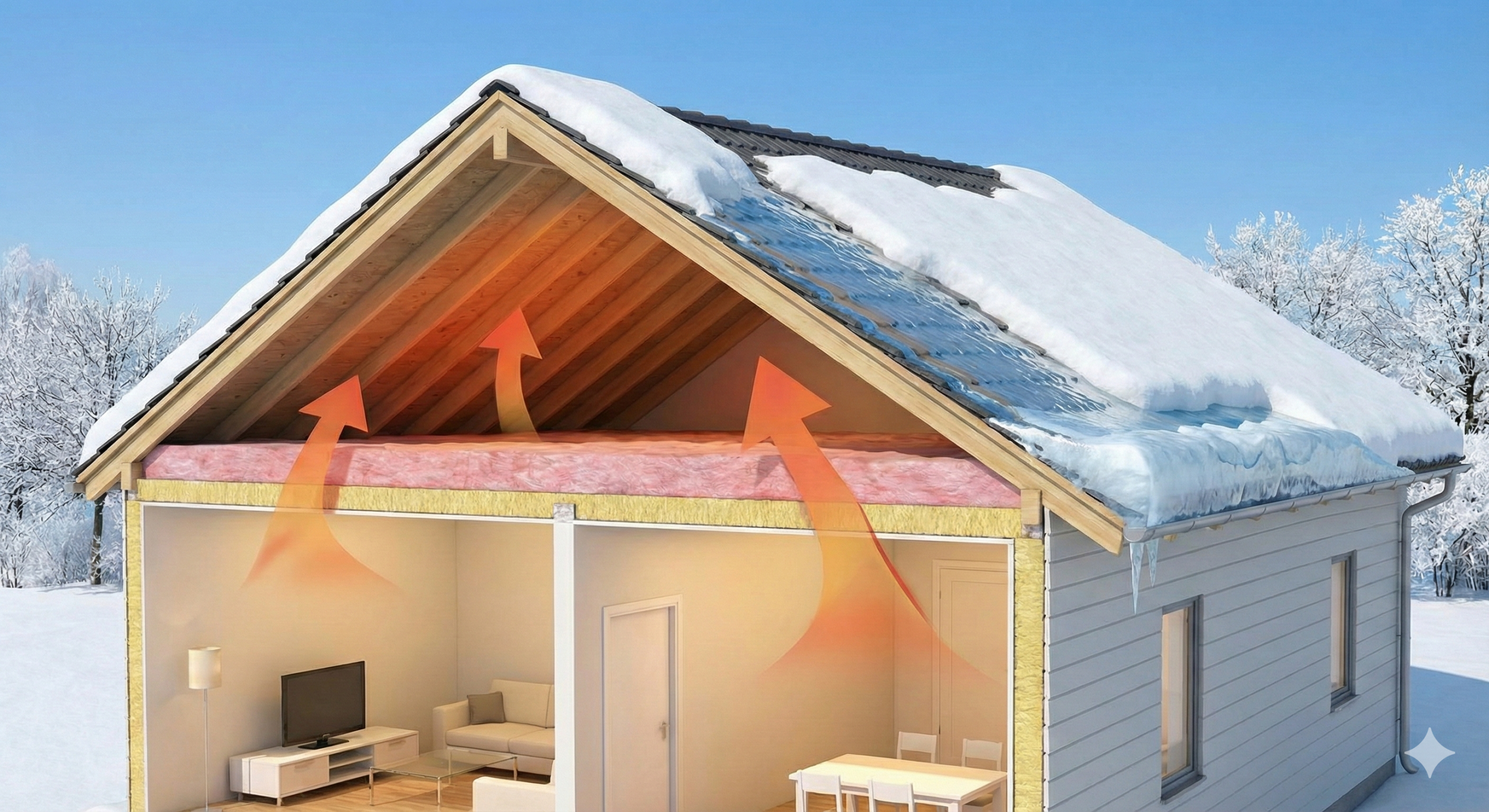
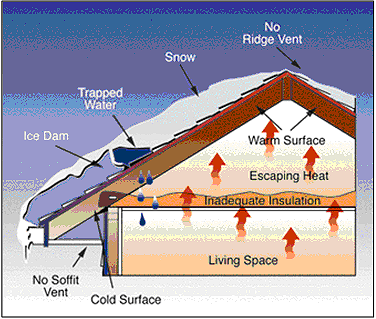
Ice dams are thick ridges of solid ice that build up along the eaves of roofs, especially after snowstorms. They form through a process involving:
- Uneven roof warming: Heat from your attic rises and escapes, warming the upper roof and causing snow to melt.
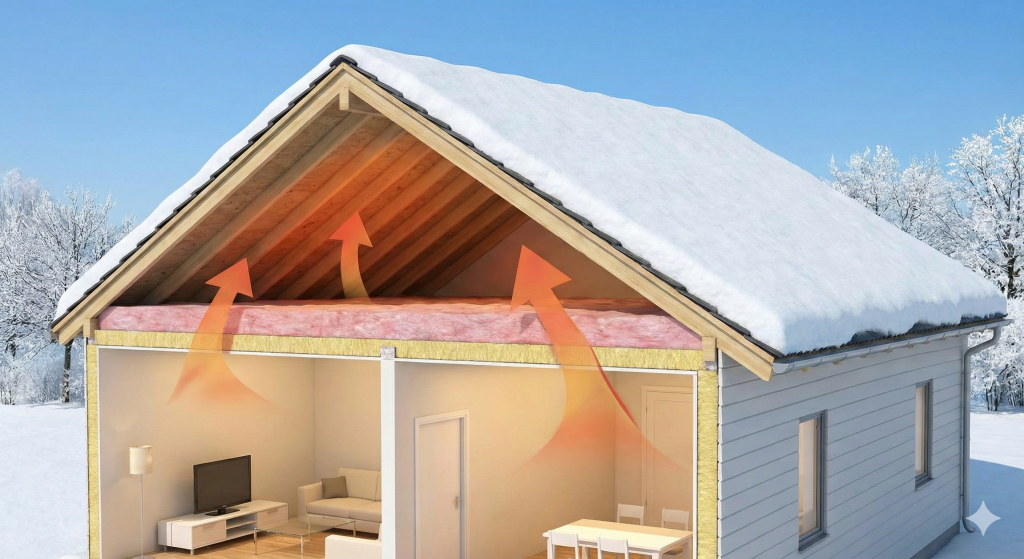
2. Refreezing: Meltwater runs down the roof’s surface. When it reaches the colder edges (eaves or gutters), it refreezes, forming a ridge of ice.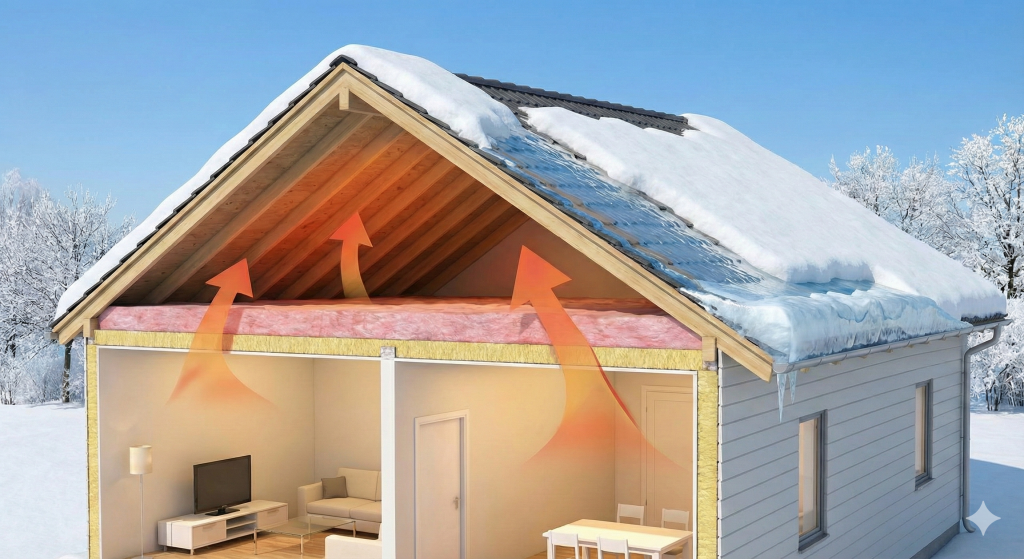
3. Water backup: Snow continues to melt and is blocked by this ice dam, causing water to pool and flow backward, potentially under your roof shingles and into the attic or house.
During Nashville’s rare freeze-thaw cycles, what starts as a harmless patch of snow can turn into a destructive ice dam overnight. To learn more about the science behind this, check the detailed guides from UMN Extension and (picture below) weather.gov.
Why Are Ice Dams a Problem for Your Roof and Home?
Ice dams on your roof are dangerous. Here’s why ignoring ice damming can lead to big headaches:
- Water Damage: Pooling water can seep beneath shingles, causing leaks that stain ceilings, soak insulation, and damage drywall.
- Structural Stress: The weight of the ice, especially when accompanied by wet snow on my roof, puts strain on gutters and roof edges, leading to potential collapses.
- Mold and Mildew: Moisture entering the attic or walls can foster mold growth, which is hazardous to your health and costly to remediate.
- Gutter and Roof Damage: As the ice shifts or falls, it can tear away gutters and shutters, leading to expensive repairs (Allstate).
How to Spot an Ice Dam Early
- Visible icicles: Long icicles hanging from the eaves are a classic warning.
- Water stains: Discoloration or water spots on upper walls or ceilings.
- Dripping: Unexplained drips, especially when outside temperatures are below freezing.
- Ice buildup: Thick layers of ice at roof edges, valleys, or near gutters.
If you notice any of these signs, it’s time to act quickly!
Safe, Practical Steps for Homeowners
When dealing with snow on my roof and the potential for ice damming, take these precautionary steps:
- Identify High-Risk Areas: Focus on high risk areas, especially if you have had ice dams in past winters. The most common areas for them to appear are eaves, overhangs, valleys, or near gutters.
- Remove Excess Snow, Safely: Use a broom from the ground to gently pull snow from the roof’s edge.
- Never climb on your roof when snow, ice, or even moisture is present; it’s extremely dangerous.
- Avoid sharp tools or forceful scraping, which can damage shingles.
- Watch Indoors: If ice dams have been an issue before, keep a bucket or towels ready and monitor known problem spots for drips or stains. Early water detection limits long-term damage.
- Keep Gutters Clear: Make sure gutters and downspouts are free of debris before and during winter to ensure any meltwater can drain properly (weather.gov).
- Stay Safe: Always prioritize safety and contact a professional if conditions become hazardous.
How to Prevent Ice Dams: Long-Term Solutions
Prevention is always easier than repair. When thinking about roof repairs, or preparing to invest in a new one, the following upgrades and habits significantly reduce ice damming risk:
1. Attic Insulation and Air Sealing
Heat leaking from your home into the attic is the #1 cause of ice dams. Make sure your attic has modern, R-30 or higher insulation and that all gaps or cracks (such as around pipes, vents, and lights) are tightly sealed (Premier Group Roofs).
2. Proper Attic Ventilation
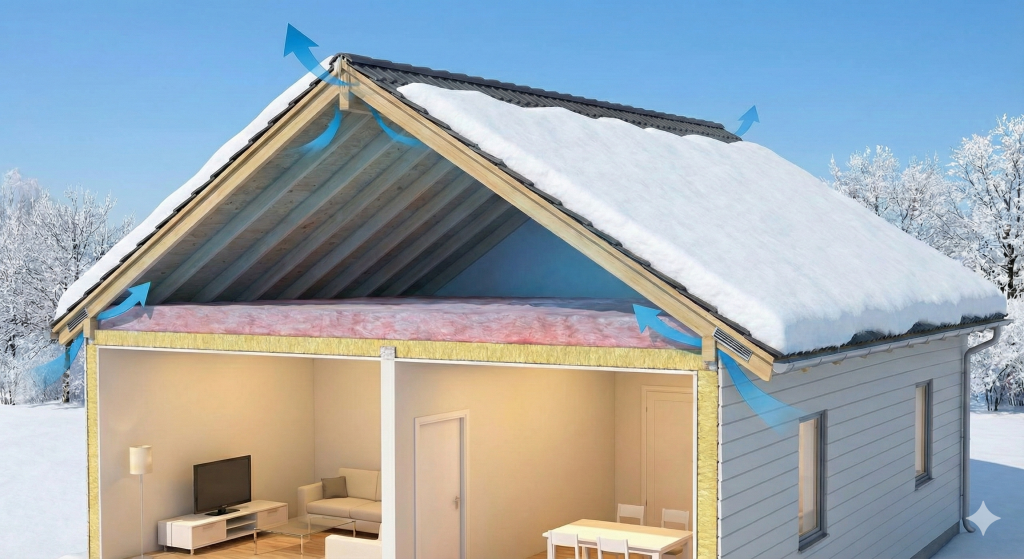
Good ventilation (via soffit, ridge vents, or box vents) helps maintain a uniform, cold roof temperature, reducing uneven thaw/freeze cycles that form ice dams (Atlas Roofing).
3. Gutter Maintenance
Regularly cleaning out your gutters will ensure that melting snow can quickly flow off your roof, stopping it from refreezing along the eaves.
4. Ice and Water Shield Installation
At Pine Knot Roofing, anytime we install a roof, we offer our homeowners the option to install ice and water shield, a waterproof barrier along the eaves. This underlayer helps prevent water from backing up under shingles, acting as your last line of defense in extreme weather (ask your Pine Knot sales representative for details).
5. Roof Design Considerations
Homes with valleys, dormers, or complicated rooflines are more susceptible to ice damming. If you’re replacing your roof or building new, consult with experts to improve winter resilience.
6. Professional Inspection
After a big storm, a licensed roofer can catch hidden problems and recommend repairs or upgrades. Don’t wait! Contact us at Pine Knot Roofing for a local, reliable inspection.
Ice Dam Removal. What NOT to Do
- Avoid climbing on your roof: Slippery conditions are dangerous.
- Don’t use salt or harsh chemicals: These can damage shingles and nearby landscaping.
- Never use sharp tools or open flame: You could injure yourself or accidentally cause costly roof damage.
For severe ice damming or persistent leaks, call a trusted professional with proper equipment and experience.
Conclusion
While ice dams are not as common in Nashville / Middle Tennessee compared to northern climates, major snow events can make your home vulnerable. By understanding what causes ice dams, how to handle them safely, and taking proactive steps to prevent them, you safeguard your home from water damage, structural stress, and costly repairs.
For tailored solutions, like professional installation of ice and water shields or a post-storm inspection, reach out to Pine Knot Roofing.
Stay safe and warm! If you need advice or emergency help this winter, our local, licensed team is here to help.
References
- University of Minnesota Extension: Dealing with and Preventing Ice Dams
- National Weather Service: Preventing Roof Ice Dams
- Atlas Roofing: How Ice Dams Cause Roof Damage
- Allstate: How to Prevent Ice Dams on Your Roof
- RetroFoam: What Causes Ice Dams on Roofs?
For more tips and local expertise, visit us online at https://pineknotroofing.com/.